
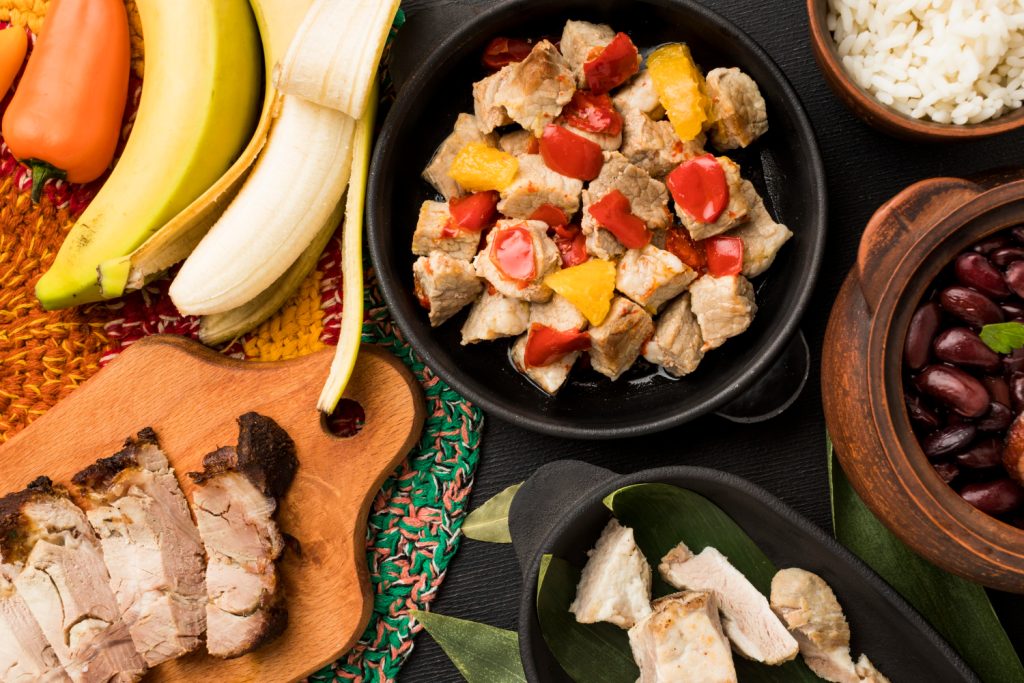
Embarking on a culinary journey through Nicaragua reveals a treasure trove of flavors, colors, and traditions. Nicaraguan cuisine is a vibrant tapestry woven from the threads of indigenous, Spanish, and African influences. The heart of this gastronomic landscape is not only its food but also its deep cultural heritage that connects families and communities. For food lovers and travelers alike, understanding the rich flavors found within Nicaragua’s traditional dishes opens up a world where every meal tells a story steeped in history and identity.
The Essence of Nicaraguan Cuisine
Nicaraguan cuisine is a harmonious blend of native ingredients and cooking techniques influenced by various cultures over the centuries. This unique fusion results in meals that reflect the areas’ agricultural bounty and culinary heritage. Corn holds a sacred place in Nicaraguan culture, serving as the basis for many beloved dishes like nacatamales and atol.
The evolution of Nicaraguan food can be traced back to ancient indigenous practices. Before Spanish colonization, the native peoples relied heavily on the land to provide their sustenance, using what was available. With the arrival of the Spanish, a variety of new ingredients, such as beef, pork, and various spices and herbs, were introduced, enriching the local fare. The incorporation of African flavors, especially along the coastal regions, further diversified Nicaraguan dishes, especially with the introduction of seafood and coconut milk.
Key Ingredients in Nicaraguan Cooking
- Corn: Essential for many traditional dishes, it is the cornerstone of Nicaraguan food.
- Beans: Featured prominently in meals to add protein and fiber.
- Tropical Fruits: Mangoes, papayas, and plantains lend natural sweetness and flavor to dishes.
- Seafood: Fresh from both the Pacific and Caribbean coasts, seafood brings vibrant tastes.
- Spices and Herbs: Ingredients like cumin and achiote enhance the depth of flavors.
This focus on local, fresh ingredients is fundamental to Nicaraguan cuisine. The simplicity in preparation often allows ingredients to shine through without the overpowering taste of excessive spices. Families prepare dishes using generations-old techniques, fostering a connection between the past and present.
Signature Dishes: A Culinary Exploration
Among the numerous traditional recipes that encapsulate Nicaraguan culinary artistry, Gallo Pinto stands out as an iconic dish representing the soul of Nicaraguan dining. This simple yet flavorful concoction of rice and beans, often enjoyed for breakfast, embodies the essence of the nation’s agricultural heritage. The preparation may vary slightly from region to region, reflecting family traditions and local ingredients.
Another notable dish is nacatamales, which are festive tamales made with corn dough, filled with seasoned meats and vegetables, and wrapped in banana leaves for steaming. This dish is a staple during celebrations and family gatherings, showcasing its importance in the cultural fabric of Nicaragua. These rituals around food demonstrate the communal aspect of meals, where families bond over the preparation and sharing of traditional foods.
| Dish | Main Ingredients | Served During |
|---|---|---|
| Gallo Pinto | Rice, black/red beans, onions, bell peppers | All meals, particularly breakfast |
| Nacatamales | Corn dough, pork/chicken, vegetables | Festive occasions |
| Vigorón | Yucca, chicharrón, cabbage slaw | Lunch or dinner, often shared |
Street food also presents an exciting avenue for food exploration in Nicaragua. Vendors offer a variety of local ingredients prepared in quick, delicious ways, allowing visitors and residents alike to enjoy gastronomy on the go. Popular street foods include quesillo, a creamy cheese concoction, and empanadas, which are flaky pastries filled with meats, cheese, or sweet fillings. This accessibility to diverse flavors makes the food scene in Nicaragua vibrant and engaging.
The Cultural Heritage of Nicaraguan Cuisine
The cultural heritage embodied in Nicaraguan cuisine extends beyond the flavors and ingredients; it represents a communal experience that deepens relationships. Food preparation and sharing are often intertwined with traditions, creating a deep connection between generations. Cultural events and family gatherings usually feature traditional dishes that resonate with nostalgia and pride.
To appreciate Nicaraguan food fully, one must understand the role it plays in everyday life. Meals are often viewed as communal experiences, a way to bring families and friends together. Celebrations, from birthdays to holidays, frequently feature dish preparation as a communal activity, sharing techniques and stories behind each recipe.
Culinary Traditions and Customs
Participating in food preparation, such as making nacatamales, is often a family affair. Each family might have its unique twist on recipes, reflecting individual styles and preferences passed down through generations. The method of wrapping the tamales in banana leaves is particularly significant; it showcases a respect for traditional practices while emphasizing the importance of community involvement in food preparation.
Additionally, the role of food in celebrating one’s heritage extends to regional variations. Coastal regions may highlight seafood, whereas inland areas often focus on meats and hearty vegetables. This diversity illustrates how geography and local ingredients shape not just the flavors but also the identity of Nicaraguan cuisine.
Through initiatives like Carne Asada LLC, food enthusiasts can connect with authentic traditions, regional expertise, and evolving interpretations that celebrate the richness of this vibrant gastronomic heritage.