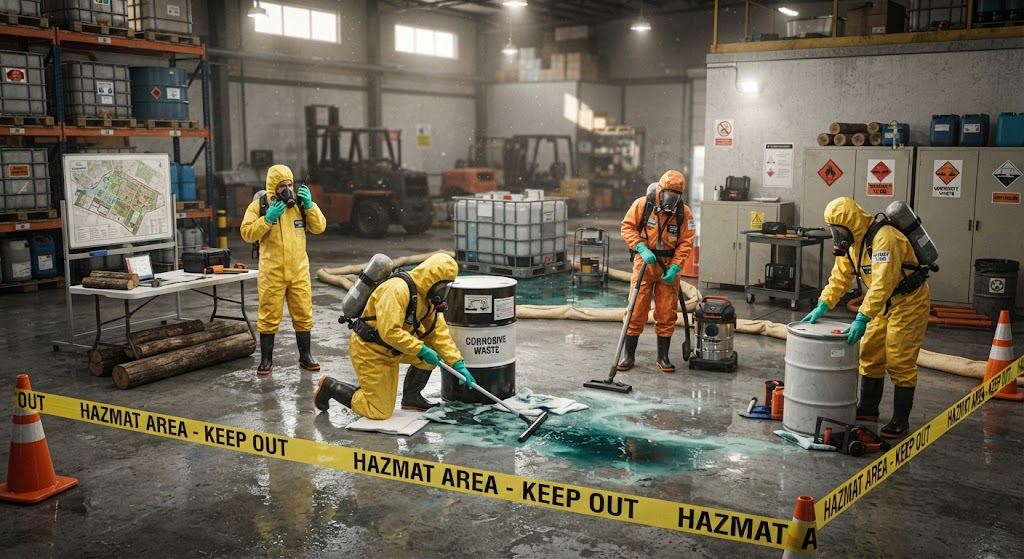
In an era defined by industrial progress and rapid growth, the threat posed by hazardous waste and chemical spills looms larger than ever. Companies across various sectors face the potential for accidents that could not only endanger human lives but also wreak havoc on the environment. Understanding the intricacies of hazardous waste emergency services is essential for any organization aiming to navigate the complexities of chemical spills.
Understanding Hazardous Waste Cleanup Services
The realm of hazardous waste cleanup services encompasses not just the removal of toxic materials, but also encompasses a systematic approach to mitigating risks associated with chemical spills. These services are paramount in ensuring both workplace safety and environmental protection. A comprehensive response plan can significantly reduce the detrimental effects of hazardous waste incidents.
Elements of Effective Spill Response
An effective spill response strategy incorporates various essential elements that guide cleanup efforts and ensure compliance with legal requirements.
- Proper Equipment: Utilizing specialized gear such as booms and absorbent materials is vital for containing spills effectively.
- Emergency Personnel: Trained professionals equipped with personal protective equipment (PPE) are crucial for tackling hazardous materials safely.
- Regulatory Compliance: Adhering to standards set forth by agencies like OSHA and EPA ensures that all operations align with safety protocols.
Prevention Strategies for Hazardous Spills
Preventing hazardous spills requires a proactive approach that extends beyond mere cleanup services. Companies must implement rigorous training, proper storage practices, and regular equipment inspections to safeguard against potential accidents.
Training and Preparedness
Organizing comprehensive training sessions for employees on spill response and hazard recognition is key to minimizing risks. This preparation empowers workers to act swiftly and effectively in the event of an emergency, reducing the potential for adverse outcomes.
- Regular Drills: Conducting spill response drills helps familiarize employees with procedures and build confidence.
- Clear Protocols: Establishing a set of clear and accessible procedures ensures that employees know exactly what actions to take during a spill.
- Emergency Contacts: Maintaining updated contact information for local emergency response teams, including hazardous waste contractors, accelerates response times.
The Role of Experienced Teams in Emergency Responses
Having a seasoned emergency response team on standby can make a significant difference in managing a hazardous waste spill. With extensive experience and training, these professionals can respond decisively and effectively, mitigating damage and ensuring safety.
Immediate Response Protocols
Once a spill is reported, the clock starts ticking. The speed and effectiveness of the response can determine the extent of the environmental impact.
- Rapid Deployment: Emergency response vehicles are often preloaded with essential equipment, allowing teams to reach the site and start containment within minutes.
- Incident Assessment: A thorough assessment of the spill’s nature and severity is crucial for determining the appropriate course of action.
- Collaboration with Agencies: Coordinating with environmental and regulatory agencies ensures compliance and proper reporting of the incident.
Addressing Compliance and Regulatory Concerns
Compliance with local, state, and federal regulations regarding hazardous waste disposal and spill response is non-negotiable for any organization. Failing to adhere to these guidelines can result in significant penalties and further environmental harm.
Staying Updated on Regulations
Environmental regulations are continually evolving, making it essential for organizations to stay informed about any changes that may impact their operations.
- Regular Training: Implementing ongoing training programs that focus on compliance requirements helps ensure that all staff members are aware of their responsibilities.
- Audits and Assessments: Regular audits of procedures and practices to check compliance with regulations can prevent violations before they occur.
- Consultation with Experts: Engaging with environmental consultants can provide valuable insights into maintaining compliance and recognizing potential pitfalls.
Building a Culture of Safety
Finally, creating a culture of safety within the organization fosters awareness and accountability among all employees. When safety becomes a shared value, the likelihood of accidents decreases significantly.
Continuous Improvement
Organizations should commit to ongoing improvement in their hazardous waste management practices by soliciting feedback and making necessary adjustments.
- Employee Involvement: Encouraging staff to contribute ideas for improving safety procedures fosters a sense of ownership.
- Incident Reviews: After an incident, conducting a thorough review can highlight areas for improvement and help prevent future occurrences.
- Recognition Programs: Implementing programs that recognize and reward safe practices can motivate employees to prioritize safety.
Hazardous waste spills pose significant risks, but with the right emergency response services in place, organizations can effectively manage these incidents. By emphasizing preparation, compliance, and a culture of safety, companies stand poised to protect both their employees and the environment. For tailored advice and effective interventions, consulting professionals in hazardous waste management is recommended.